Wednesday, November 12, 2008

Places of Tourist Interest in Panchgani

Places of Tourist Interest in Panchgani

Places of Tourist Interest in Panchgani

Panchgani, located about 100 km away from Pune, is a well-known town in the Indian state of Mahārāshtra. Panchgani, close to Mahabaleshwar—a popular hill station—is a picturesque small town and one of the most popular tourist destinations in the country. Its name, Panchgani, refers to the five (Panch) hills on which this beautiful town is situated.

Spreading over an area of about 6.16 sq. km., Panchgai has an average altitude of about 1334 meter. During summers, the temperature ranges between 35.6 degree C and 17.2 degree C while during winters the temperature ranges between 27.2 degree C and 16.2 degree C.

Panchgani, boasts of miles of long walks, lush trees and vegetation, offers visitors the opportunity to sample a life-time experience. Panchgani has a number of places of tourist interest. Some of the most popular places of interest in Panchgani are:

Sydney Point, Panchgani

Sydney Point, Panchgani, is another place of tourist interest in Panchgani.

Devil’s Kitchen, Panchgani

Devil’s Kitchen, Panchgani, another tourist attraction in Panchgani, Is one of the most spectacular sights of all.

Parsi Point, Panchgani

Parsi Point, Panchgani, another popular place of interest in Panchgani, offers a wonderful view of the rice and wheat fields of Chikli village and the River Krishna.

Tableland, Panchgani

Tableland, Panchgani is another most popular place of interest in Panchgani.

Harrison’s Valley, Panchgani

Harrison’s Valley, Panchgani, known for its beauty and view, is one of the most popular place of tourist interest in Panchgani.

Among other points in Panchgani are: Rajpuri Caves, Panchgani; Dhom Dam, Panchgani; Grover Point, Panchgani; Baby Point, Panchgani; Kachhawari Point, Panchgani; Apex Point, Panchgani; and Meherbaba Caves, Panchgani.

PanchGani

Panchgani is a quite and delightful hill station situated at an altitude of approx. 1335 m and is just 98 kms from Pune in Maharashtra. Panchgani derives its name from the five hills it is situated on. It is also called ‘Mecca of Maharashtra' .

The picturesque beauty of this hill station is enchanting and attracts tourists throughout the year. Walk on the lush green paths, with view of River Krishna snaking through beautiful valleys and gentle hills of Panchgani is truly a nature lover's delight.

There are many places in Panchgani that are a must see. One of the most famous places in Panchgani is its Table Land . Situated around 60 mts high, Table Land is a flat stretch of laterite rock and is the second longest mountain plateau in Asia. Many large caves are seen from here, the most popular one being the Devil's Kitchen . It is believed that the Pandavas stayed here for a while and used this place to cook their food.

Parsi Point is also one of the places which is a must see for every tourist in Panchagani. It is actually the windiest point in Panchgani and is situated on the road to Mahableshwar. Another important place is an enjoyable water sports center, Tapola.
Other places that are worth a visit in Panchgani are Bhim Chula, Harrisons valley, Sydney Point, Dhoom Dam, The Lingmala Falls and Rajapuri Caves.

more photos of Ajanta


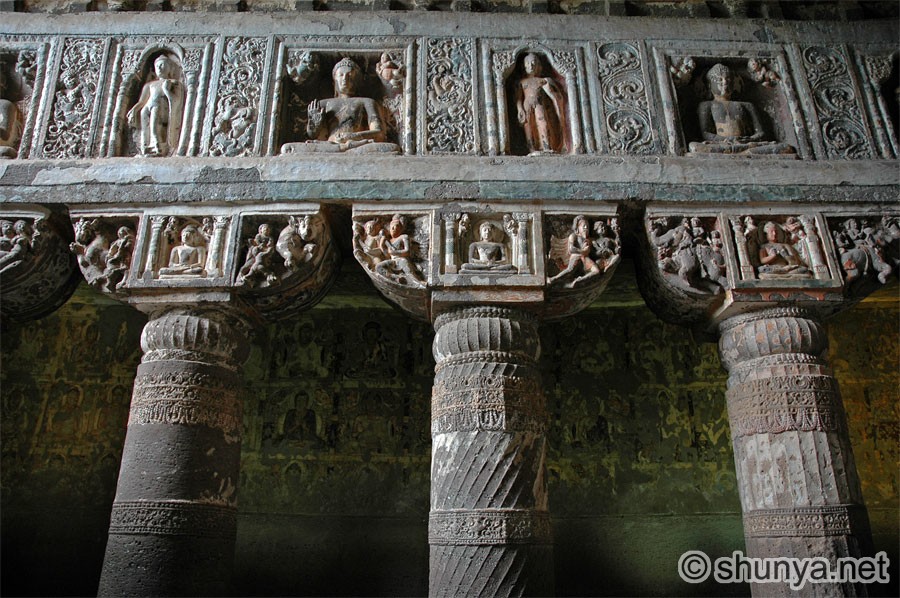
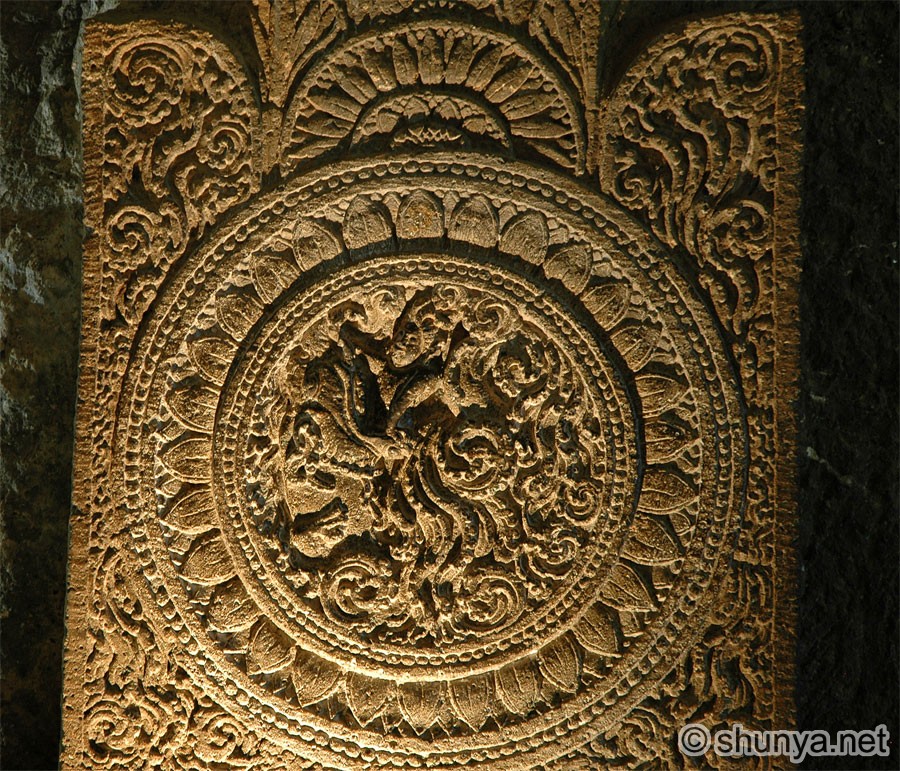
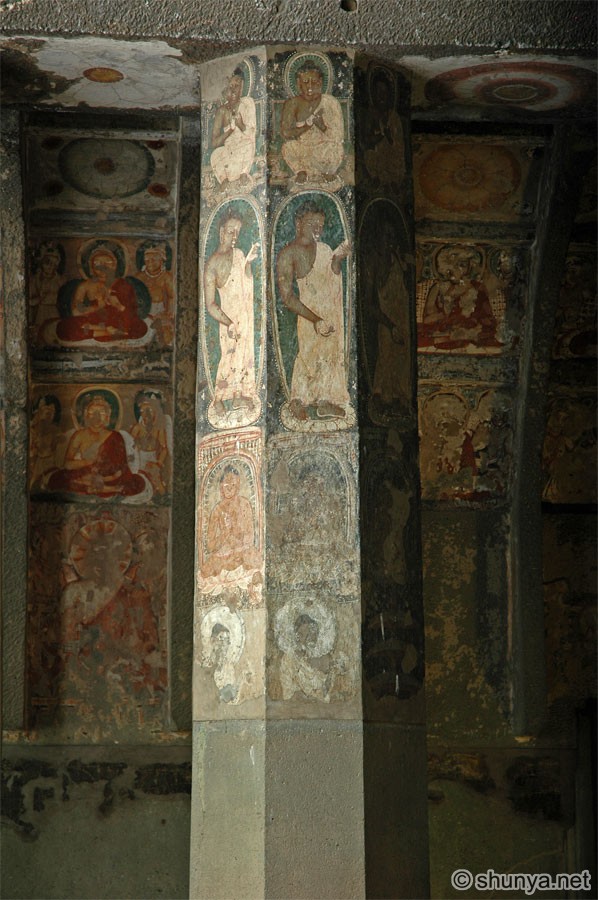
Pillar detail


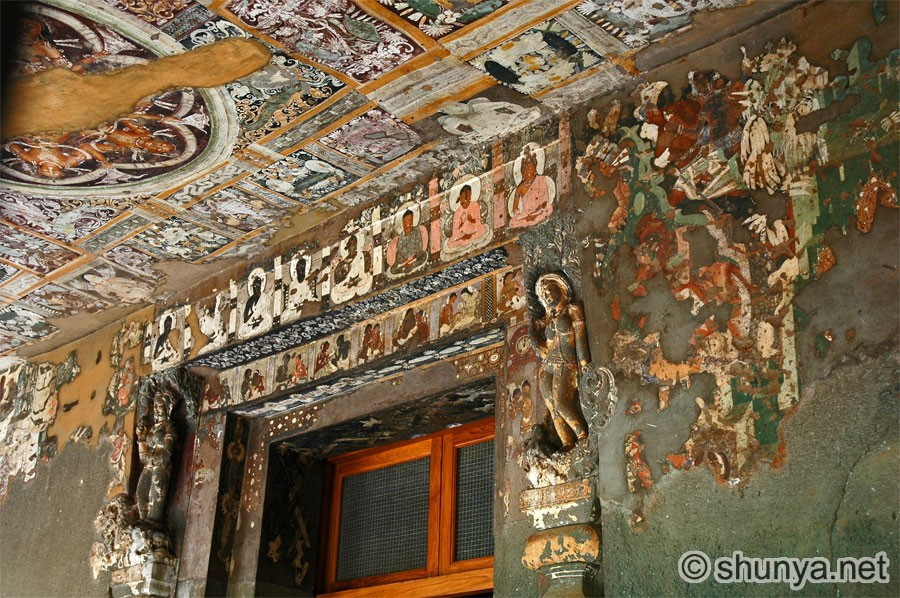
Above cave 17 entrance

Includes the "Flying Apsara"

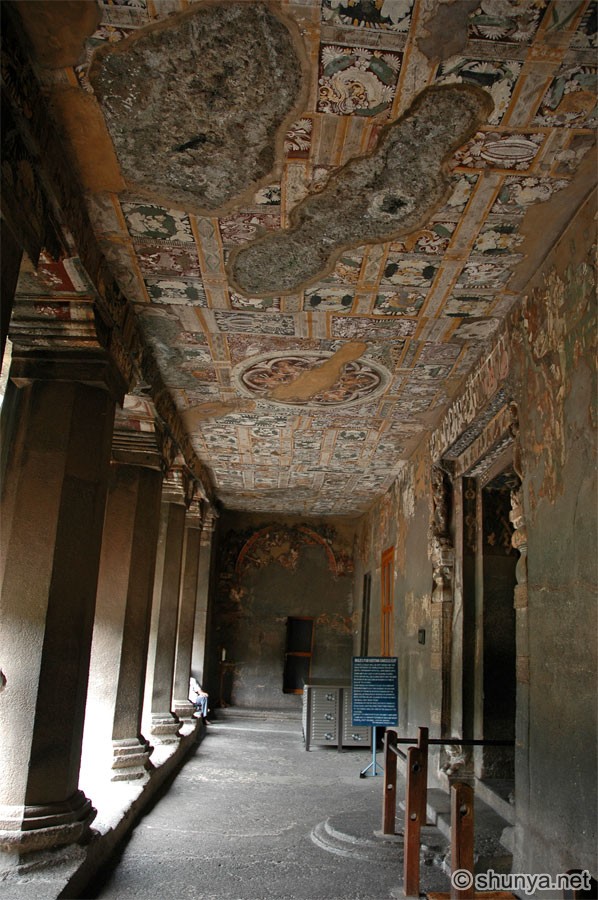
Ceiling outside cave 17


Above cave 17 entrance


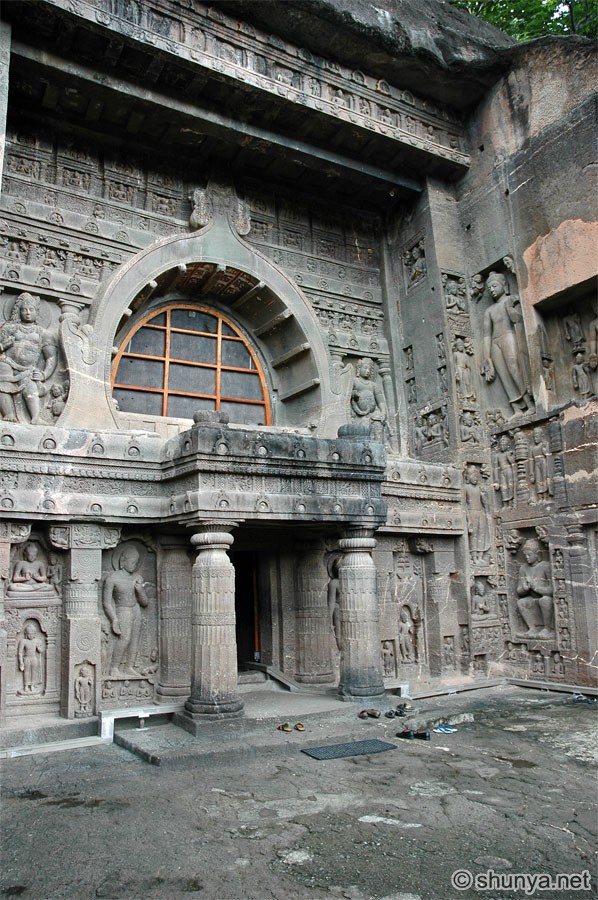
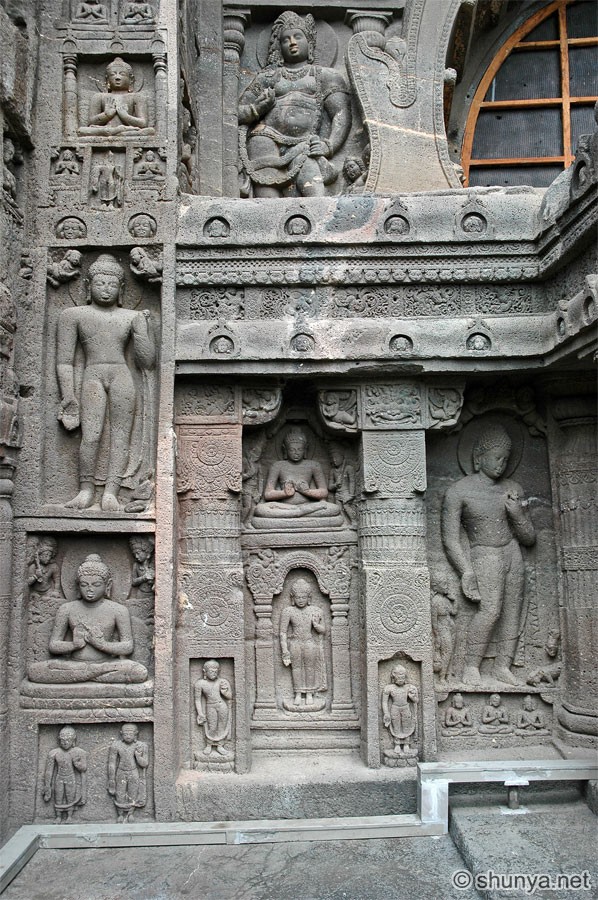
Cave 19 exterior

This small Chaitya (cathedral) is one of the best specimens of the Buddhist rock-cut architecture.

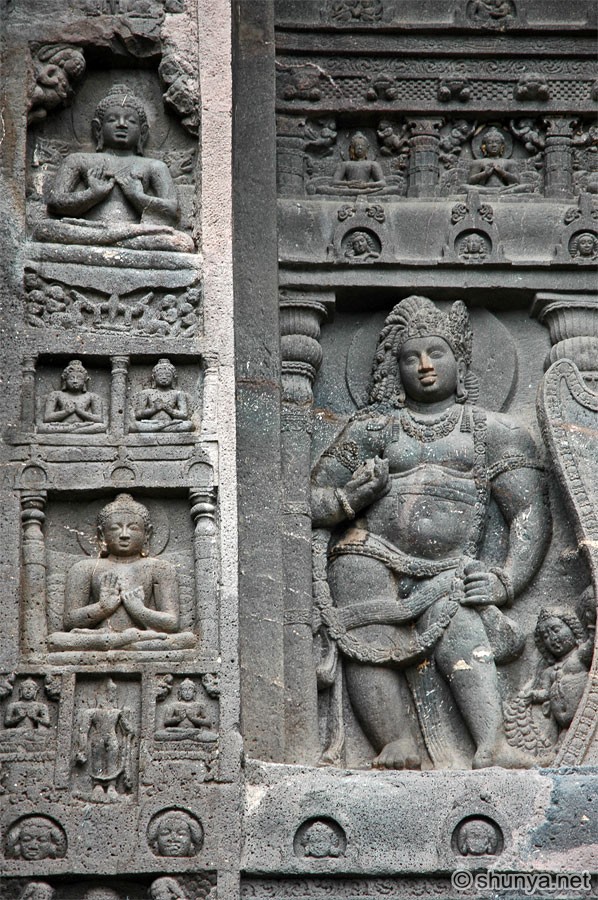
Cave 19 exterior


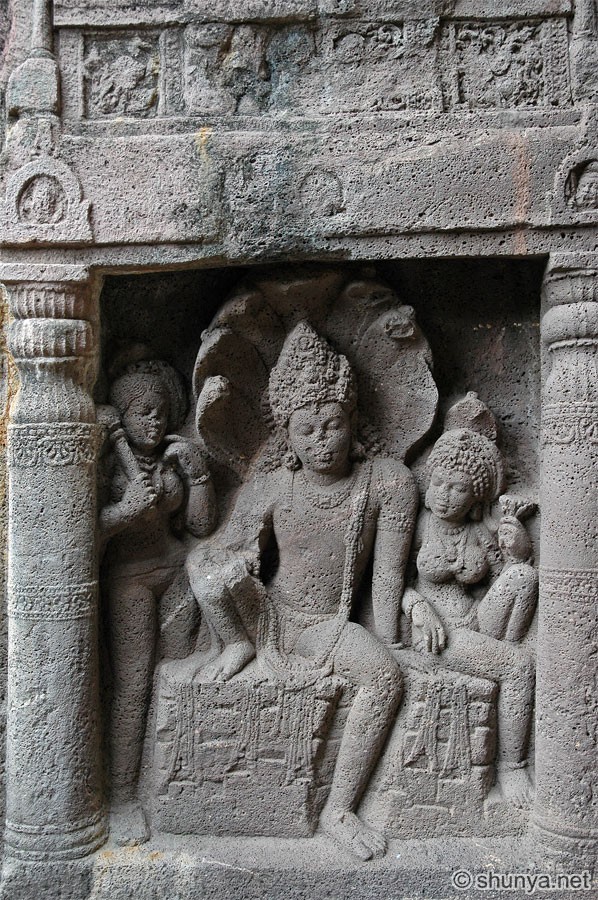
The Naga king and queen

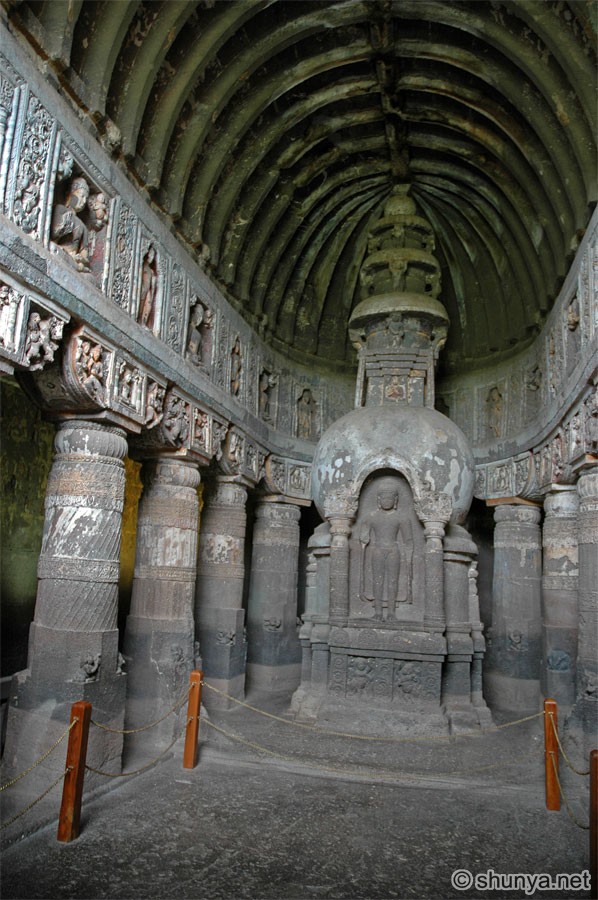
Cave 19

Cave 19 exterior


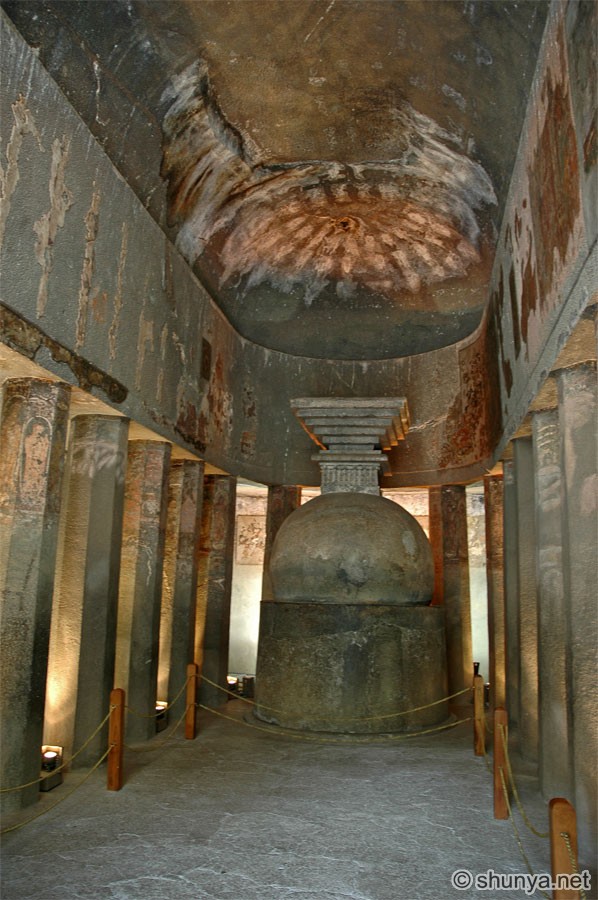
Cave 19 stupa


Pillar Sculpture


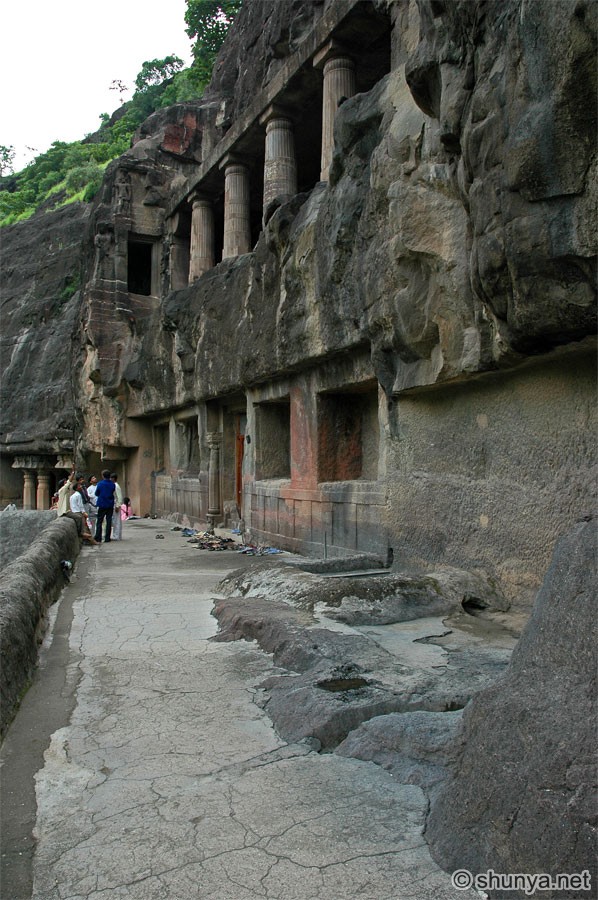
Walkway


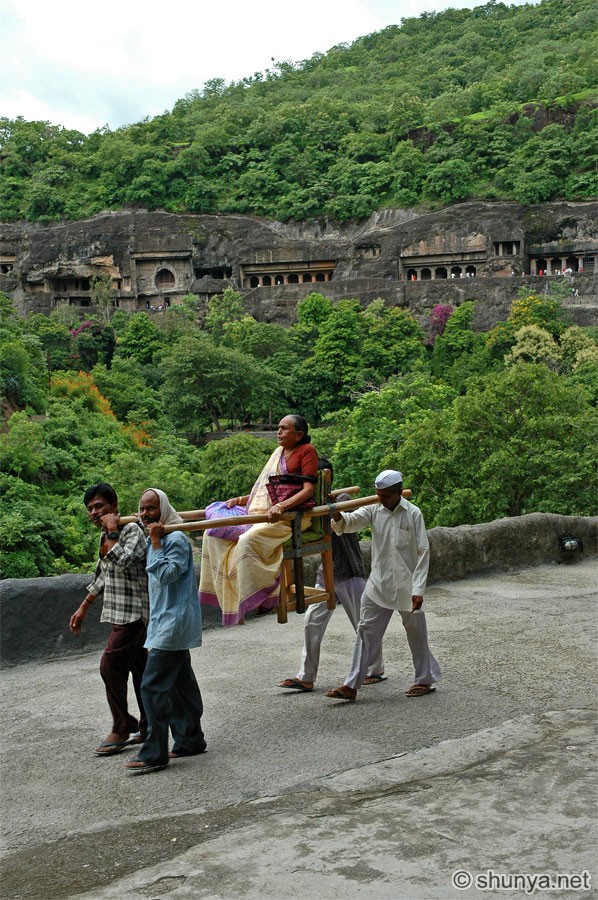
Transportation


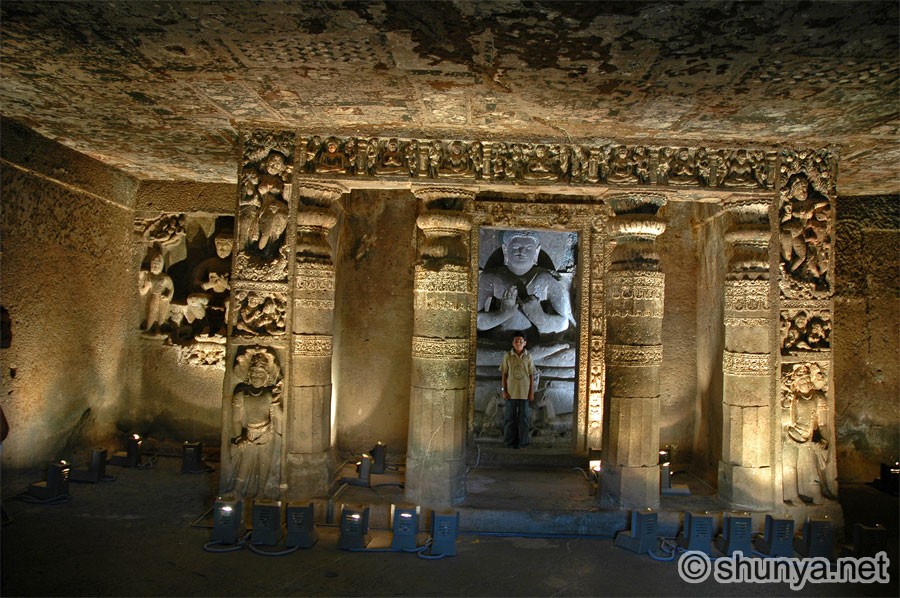
Cave 20


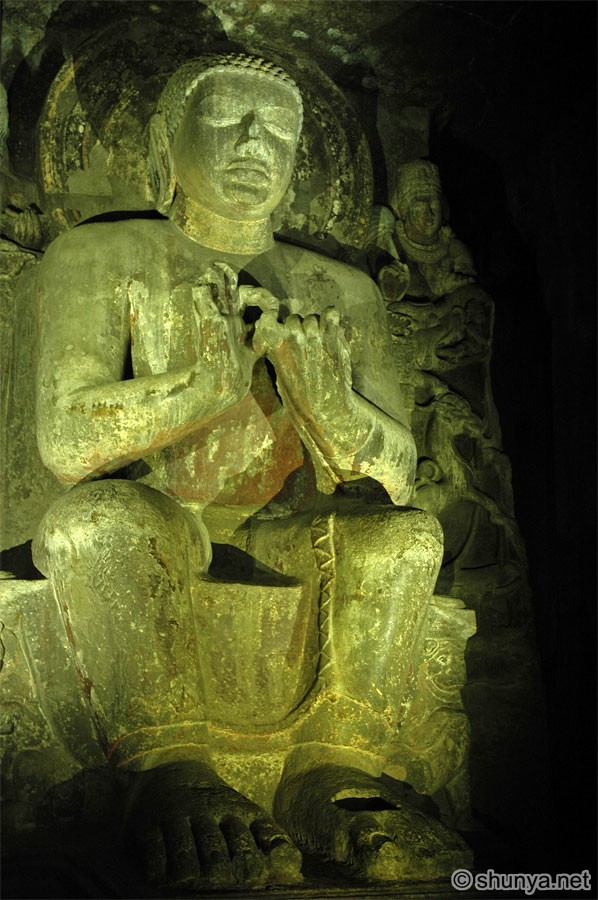
Teaching Buddha


Wheel of something


More Photos of Ajanta

Cave 7 Miracle of Sarasvati


Cave 9


Cave 10 stupa


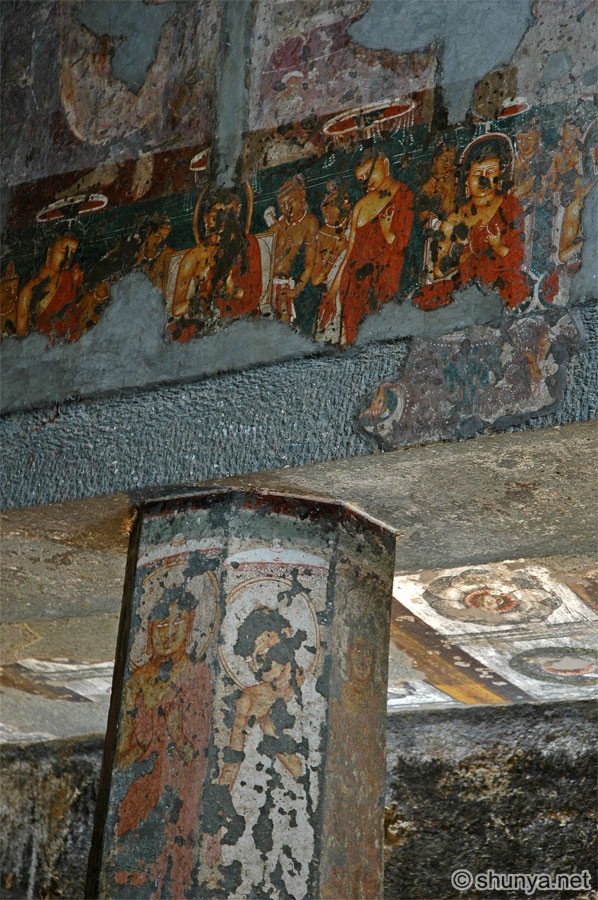
Cave 10 pillar and wall


Cave 10 pillar and wall


Cave 10 tempera


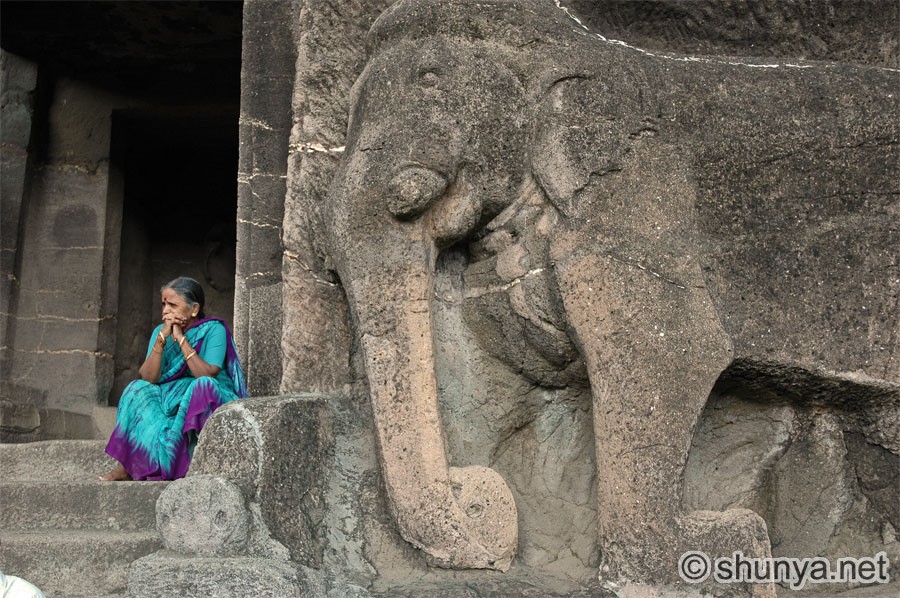
Resting tourist


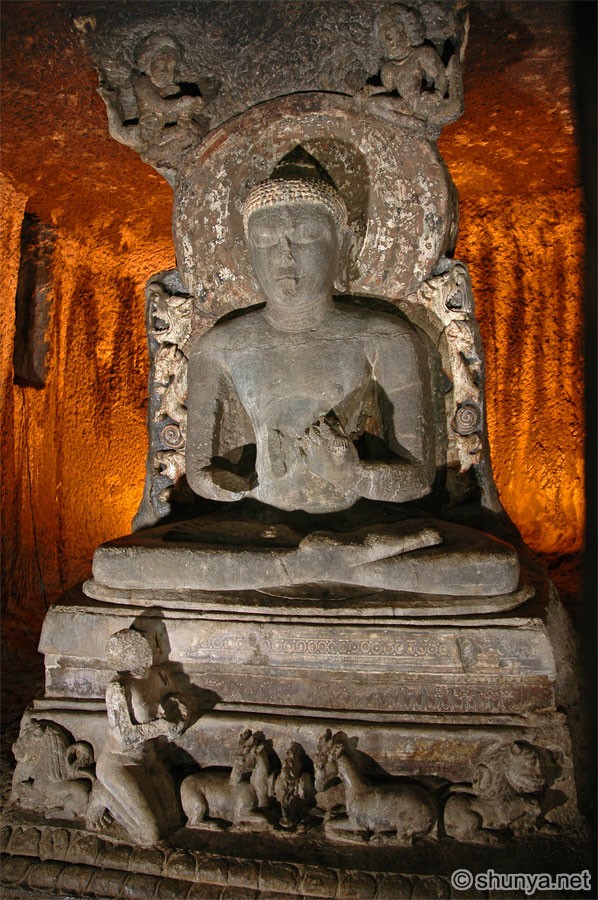
Cave 11 Buddha


Cave 12


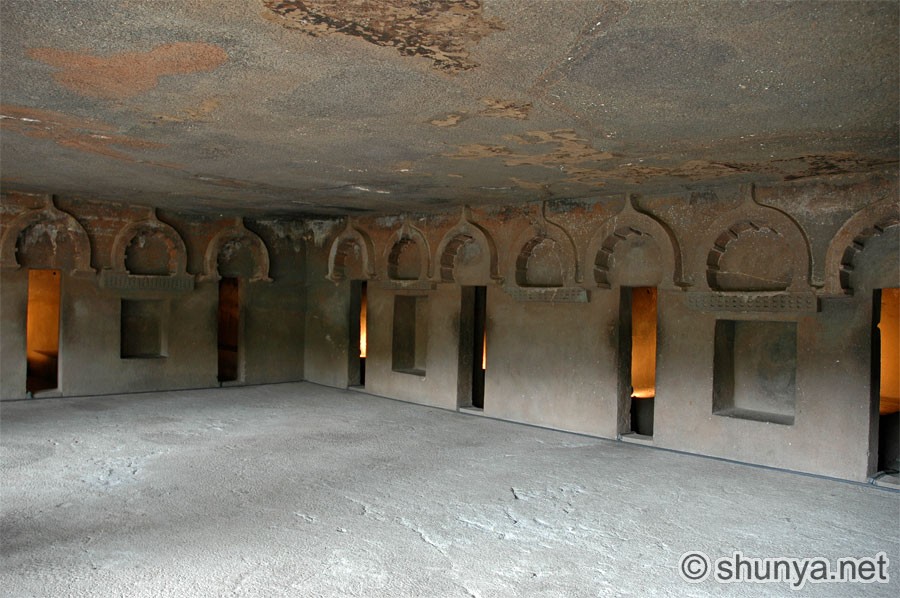
Monks' bedchambers, cave 13


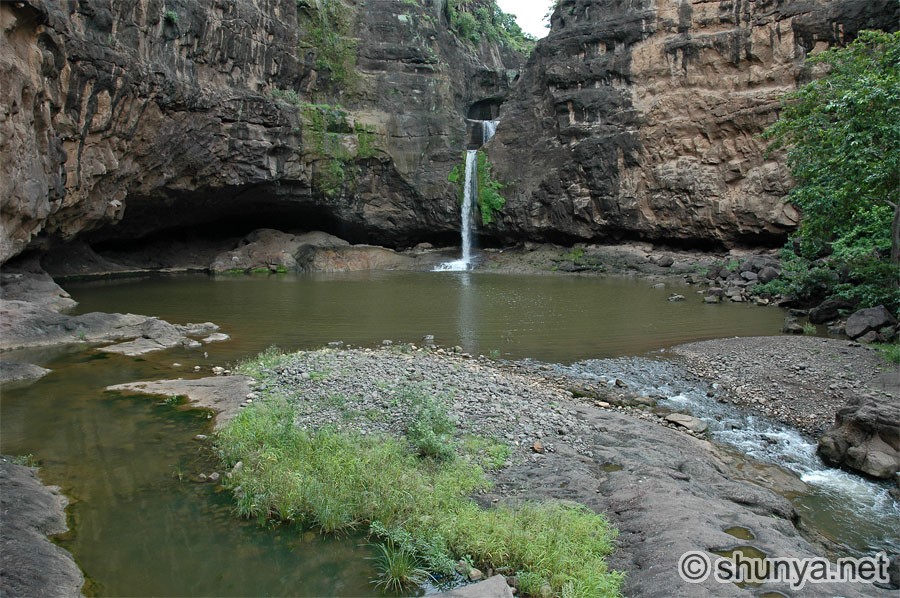
Waterfall


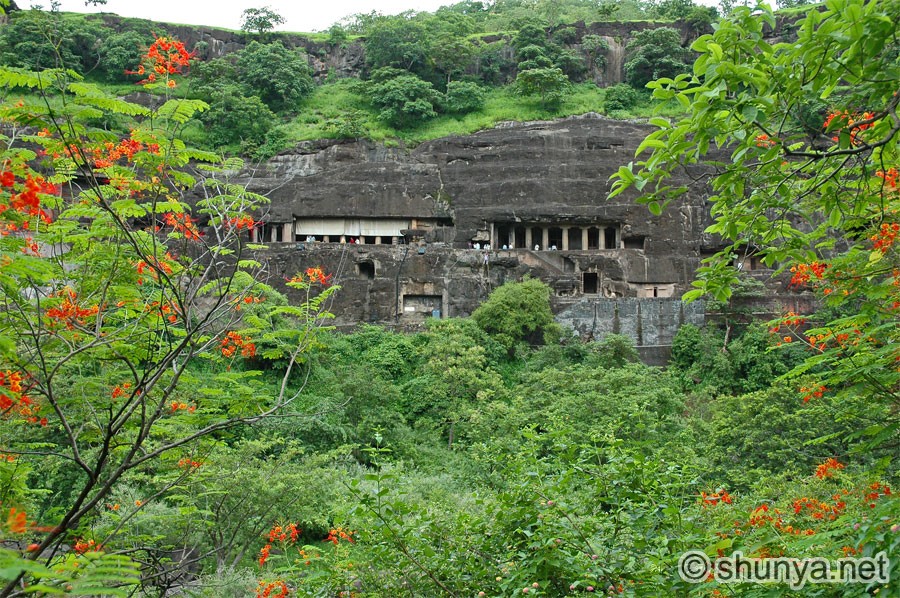
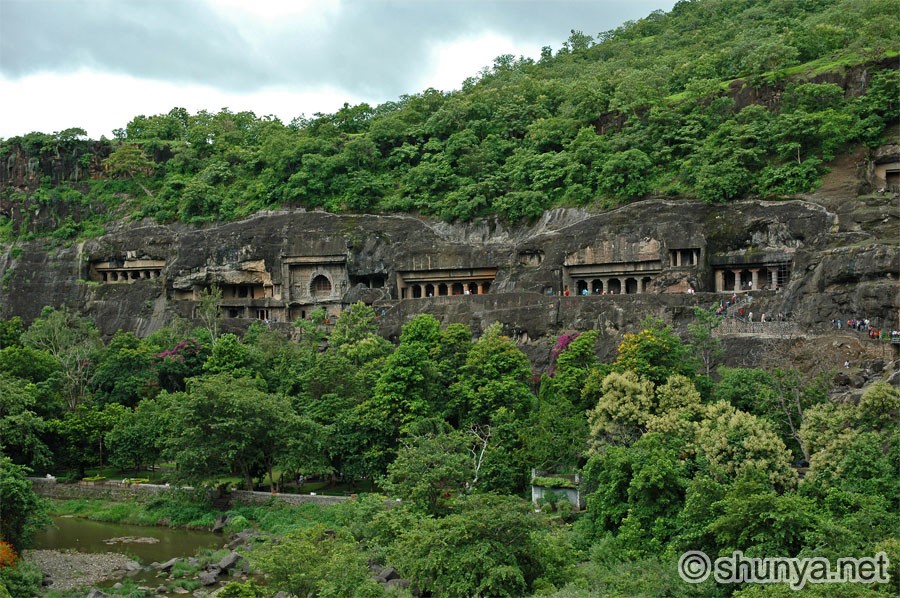
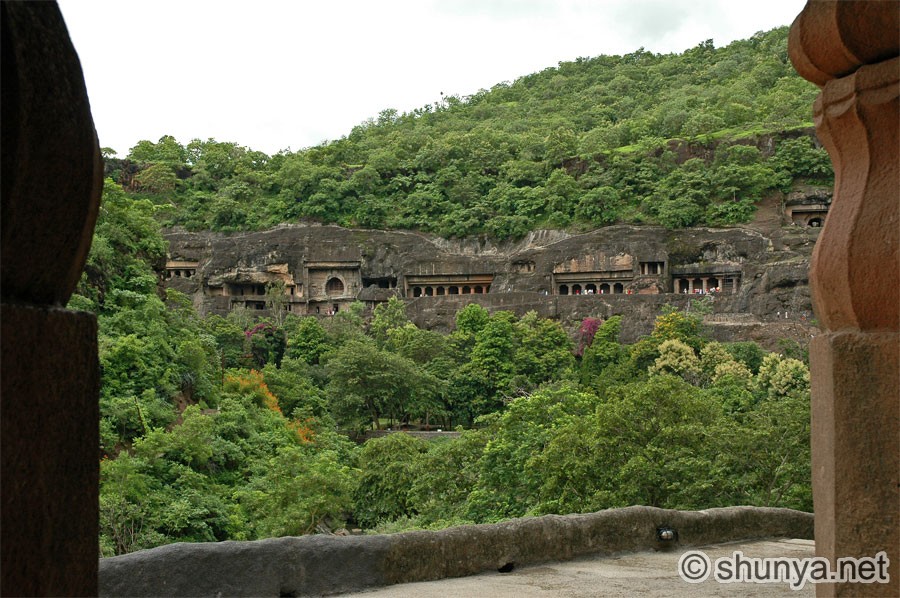
View of Ajanta caves


Cave 16 Buddha


The dying princess


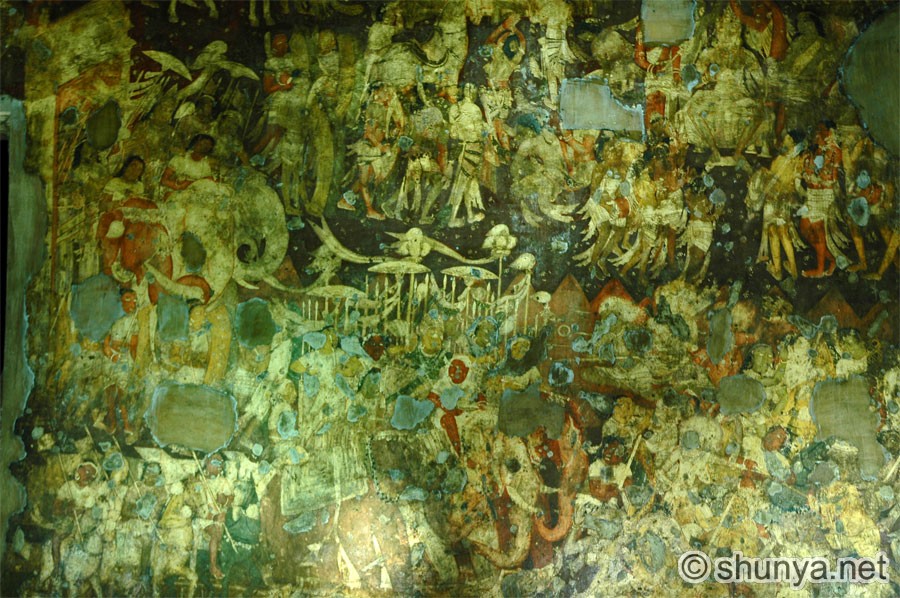
Scenes from the Jataka tales


Scenes from the Jataka tales

Photos of Ajanta


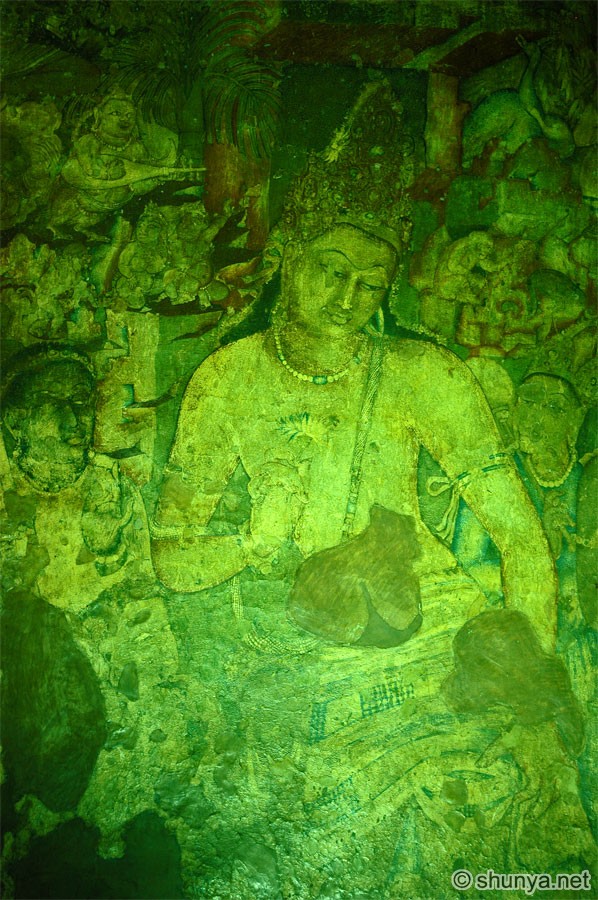
Bodhisattva Padmapani


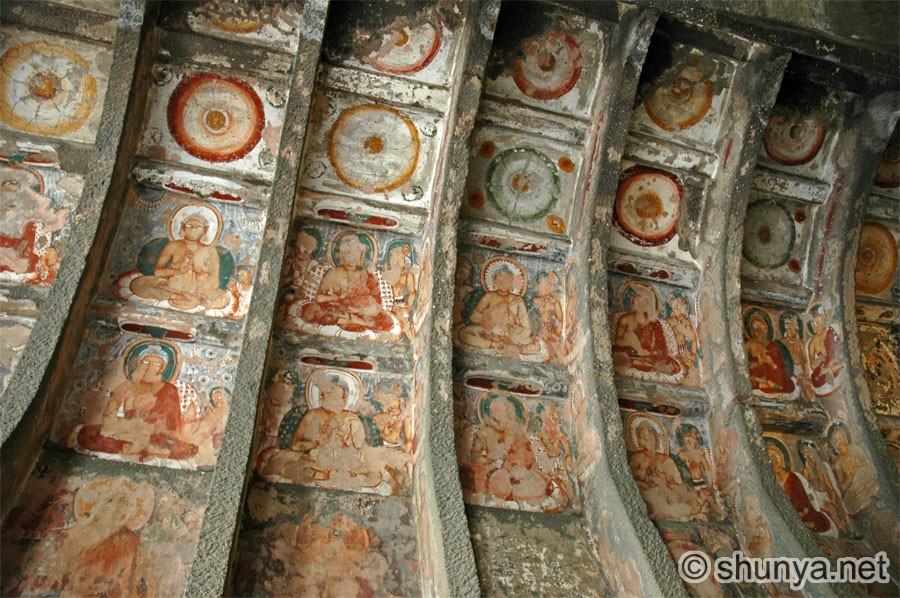
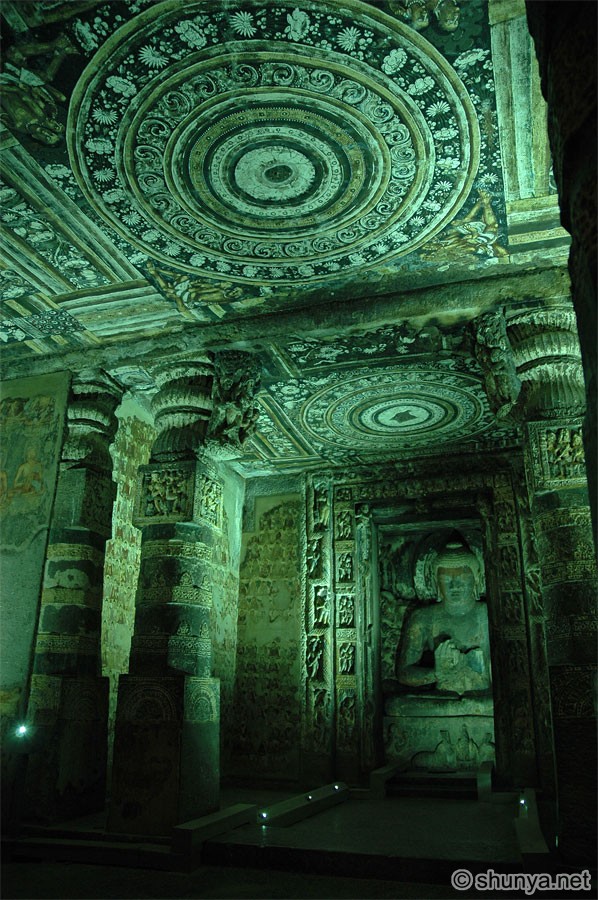
Antechamber ceiling


Cave 4 sculptures


Cave 4 tempera


View of Ajanta caves


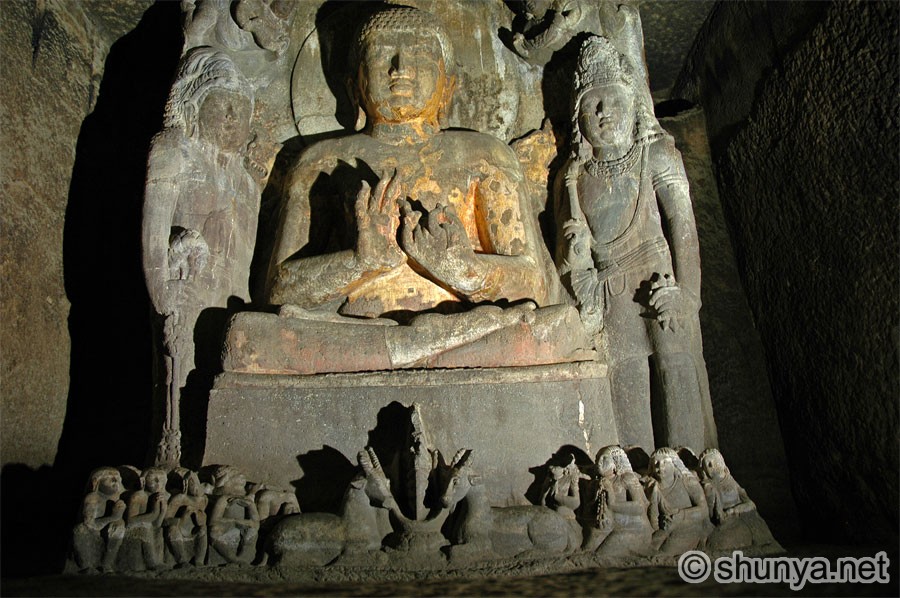
Buddha in padmasana


Cave 6 Buddha


Buddha's attendants


Buddha


Cave 7 sculpture


Cave 7 Buddha

Ajanta In India

Ajanta, Maharashtra, India


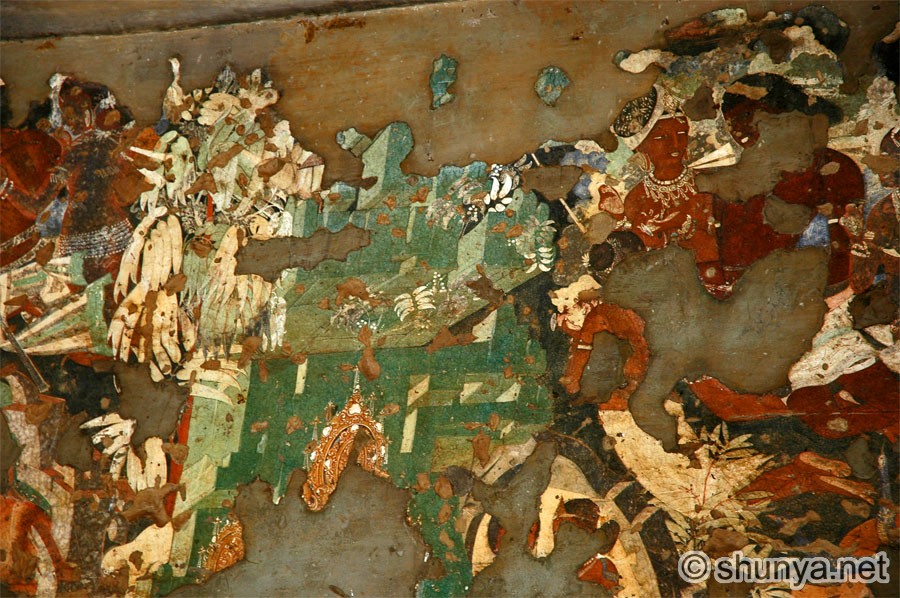
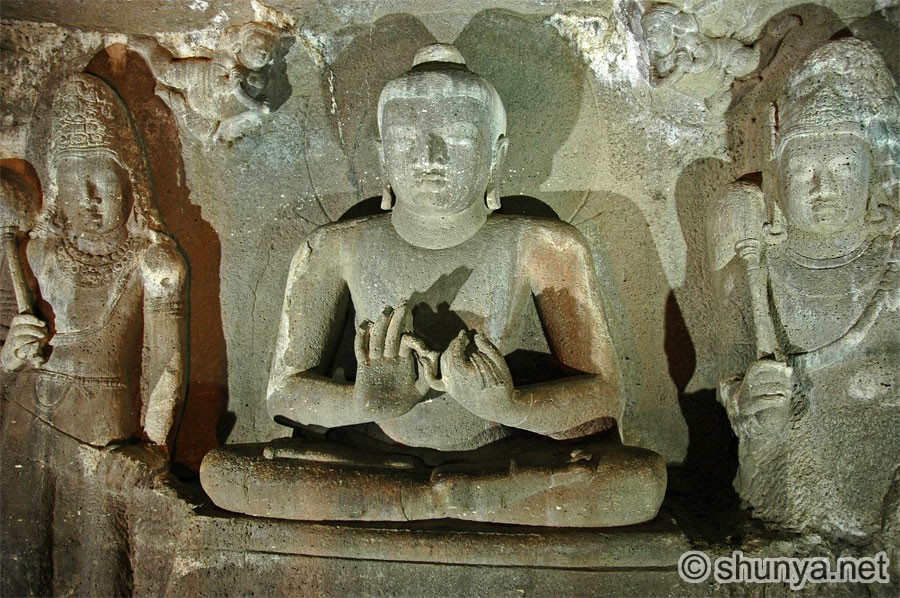
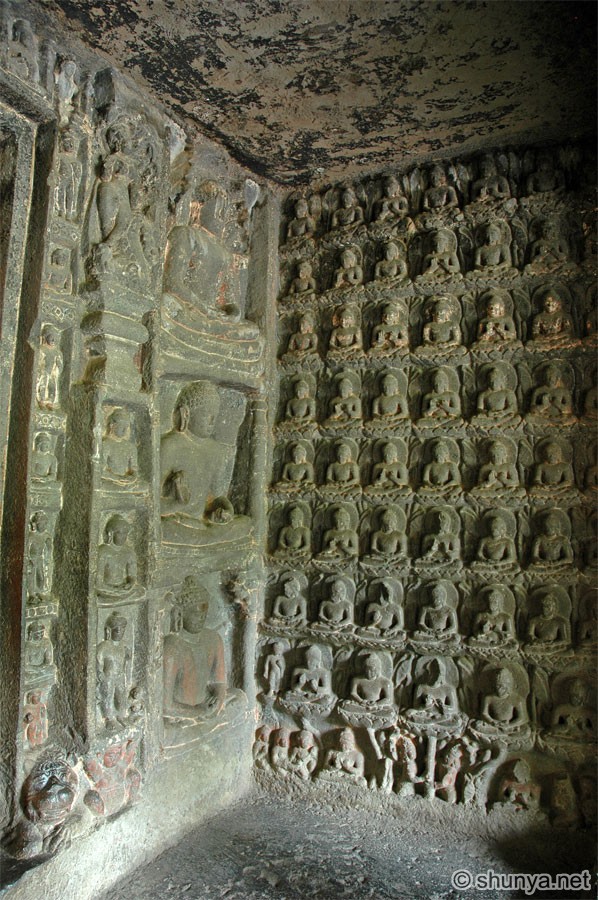
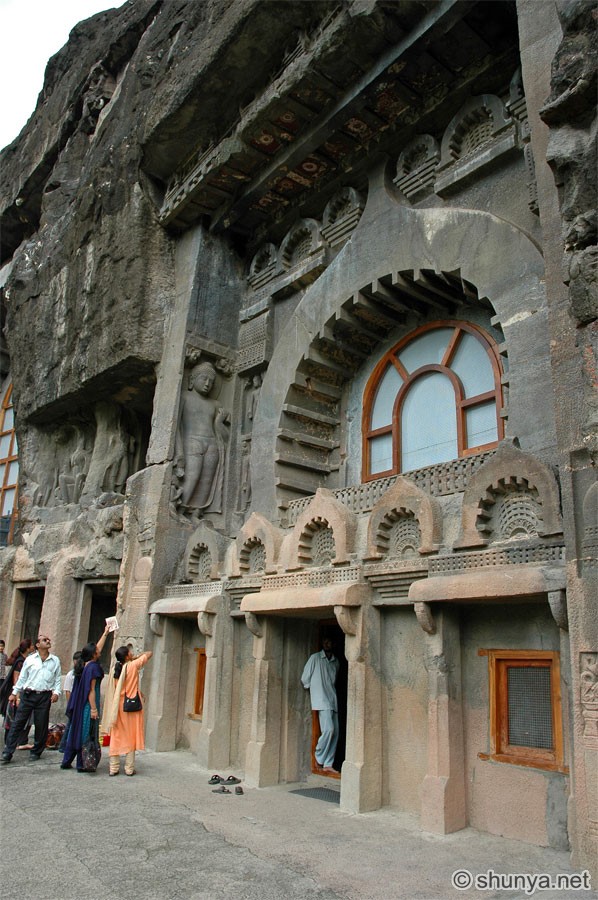
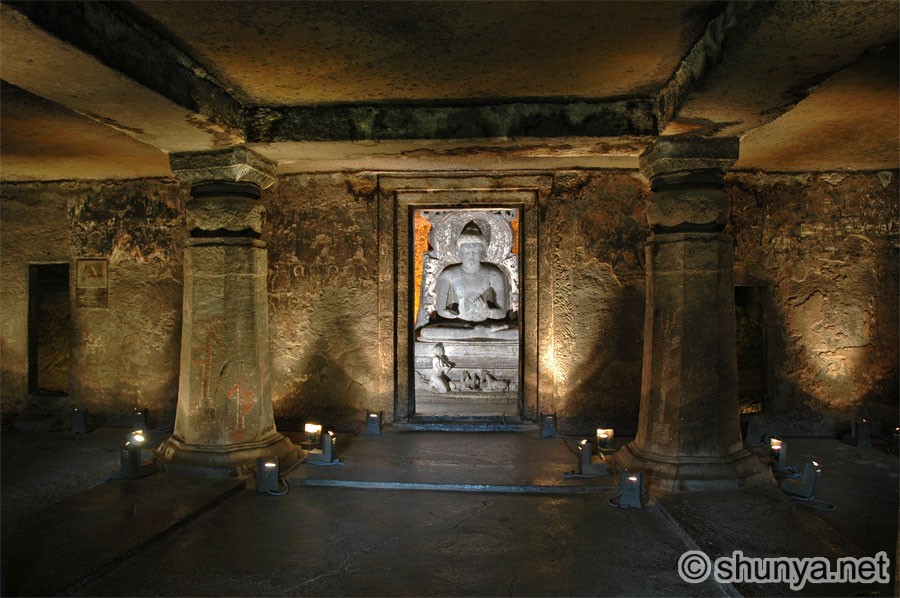
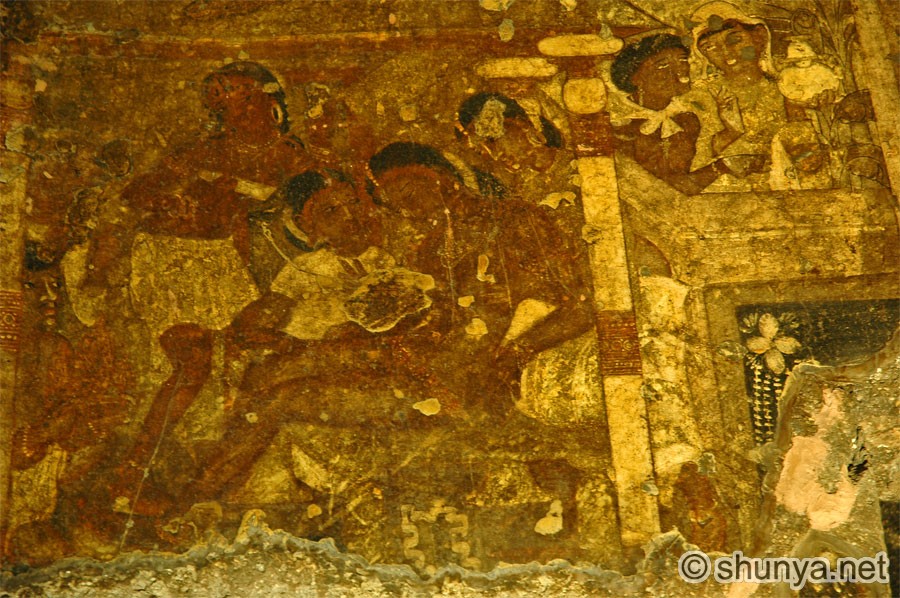
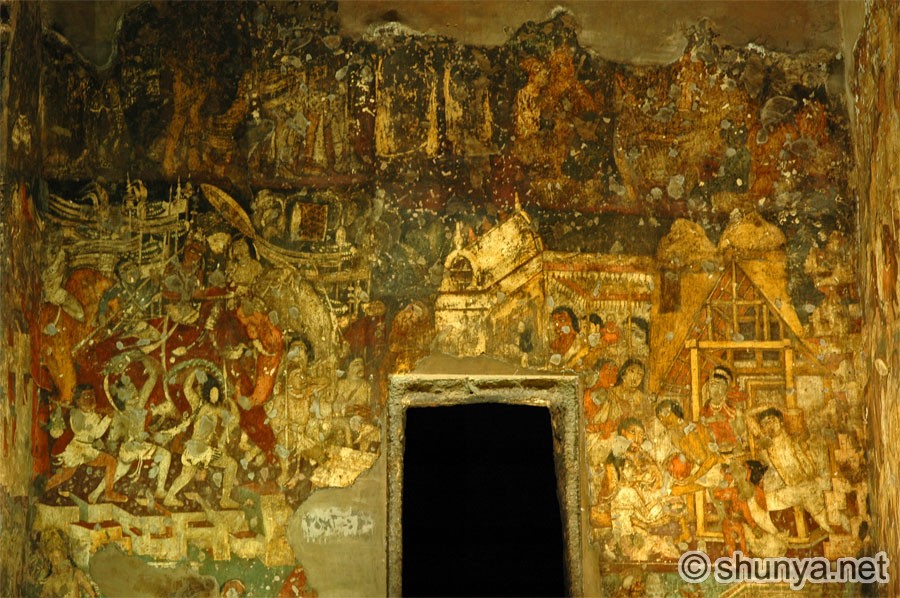
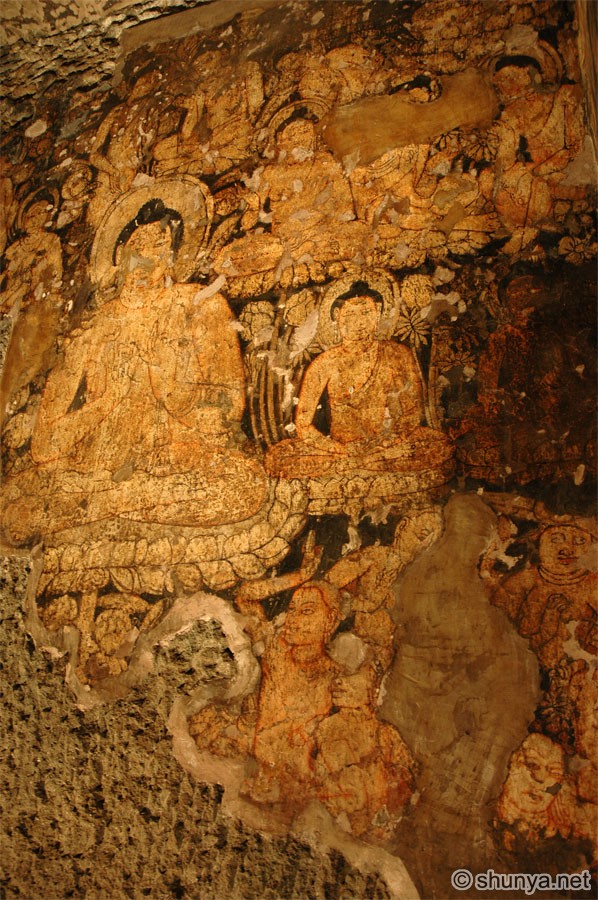
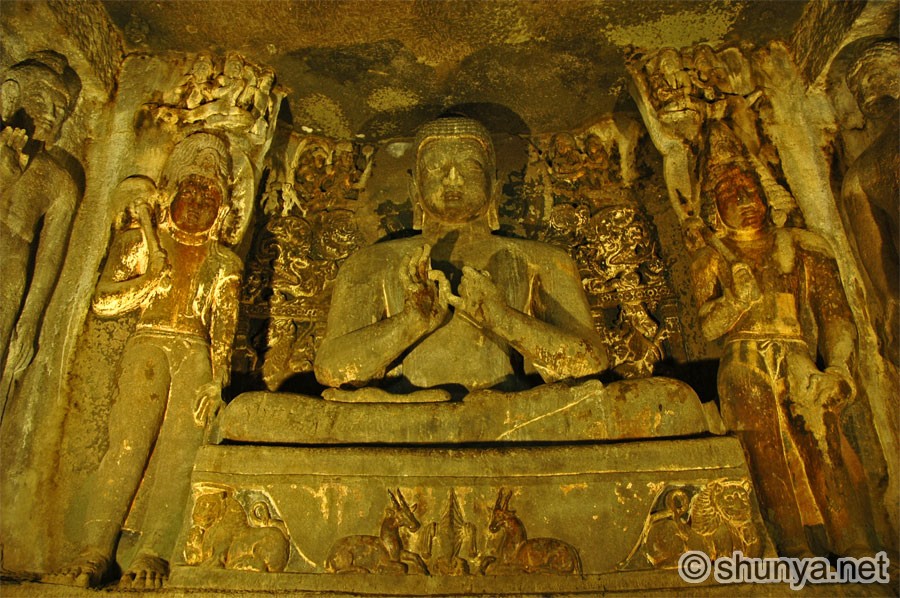
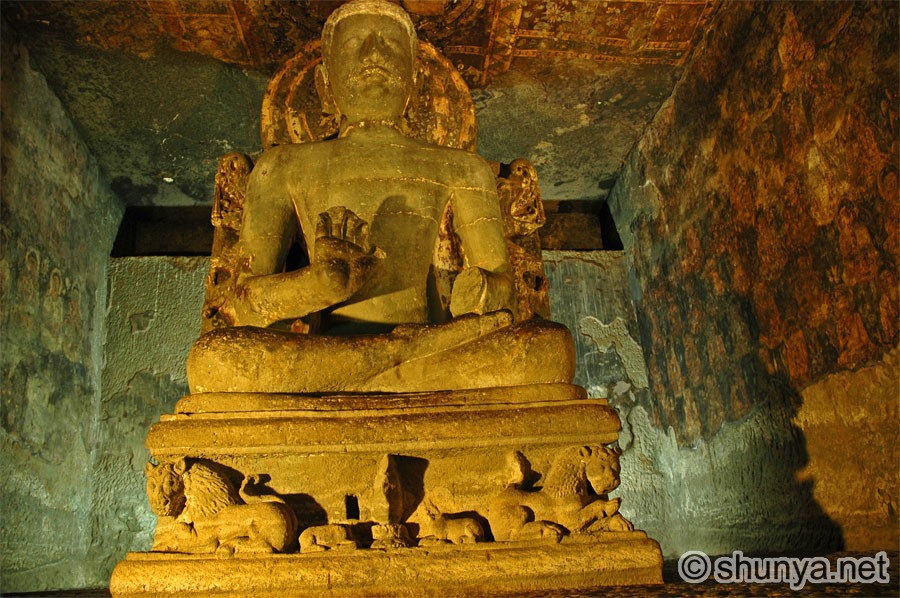
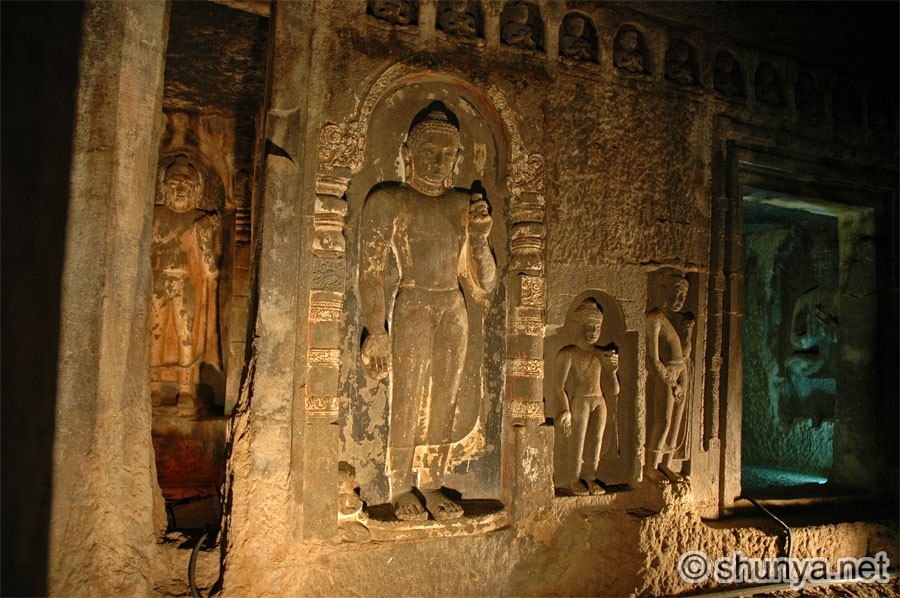
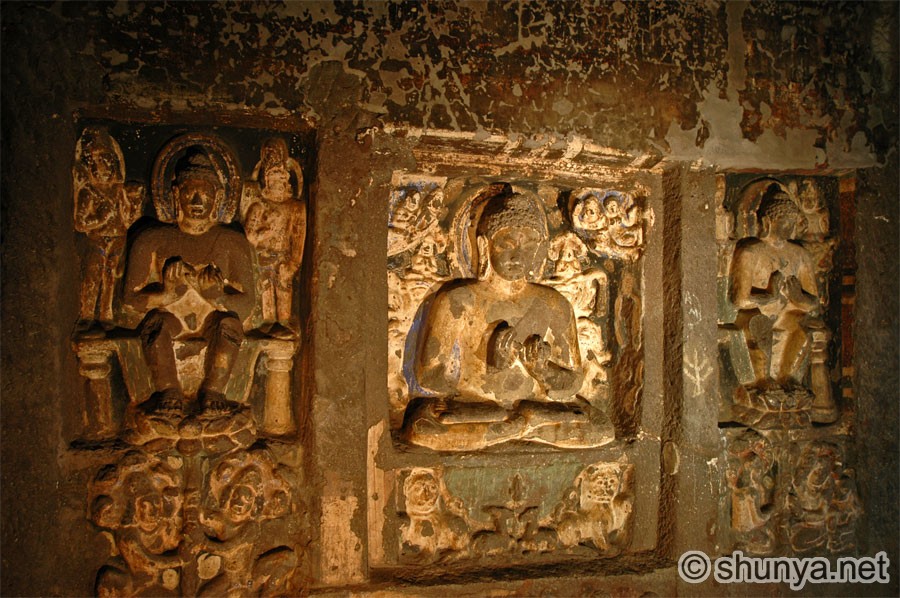
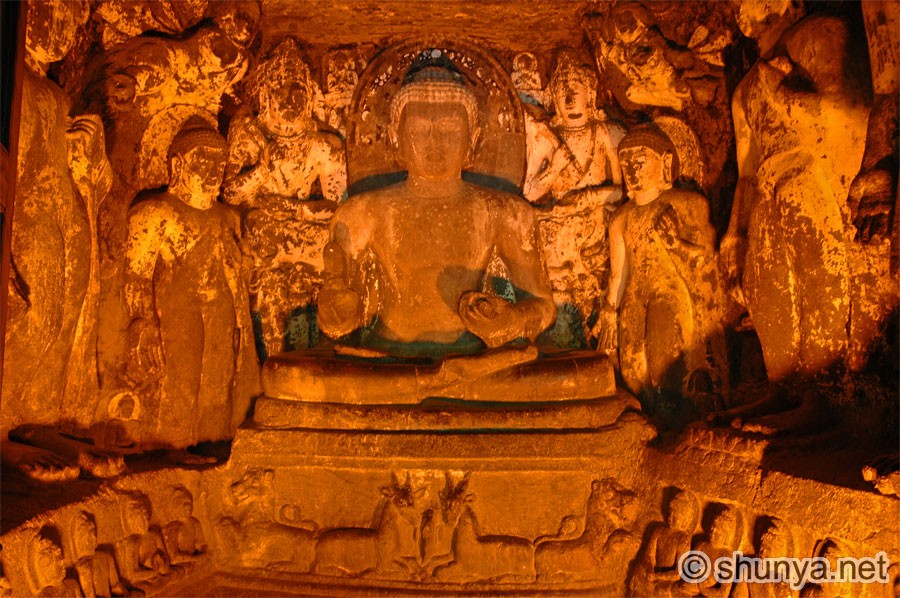
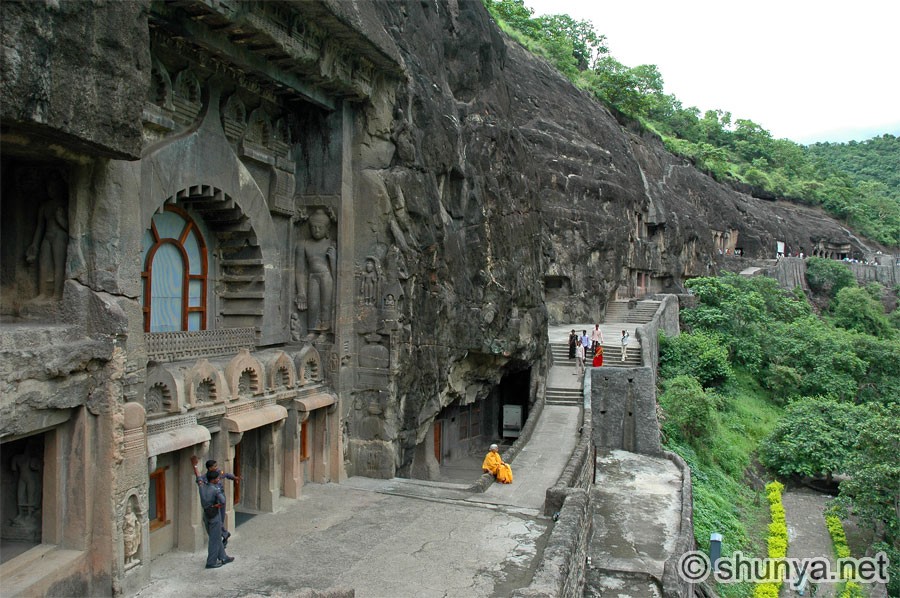
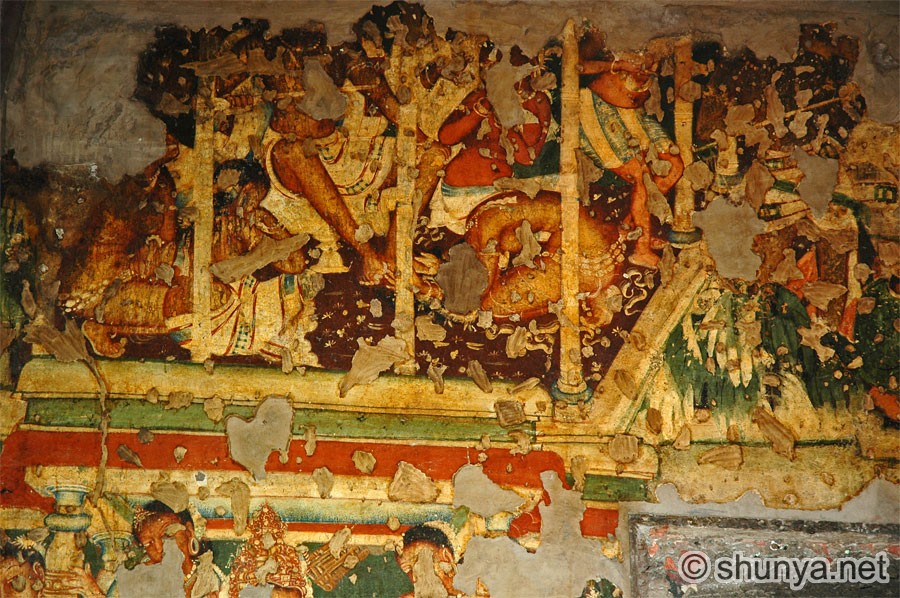
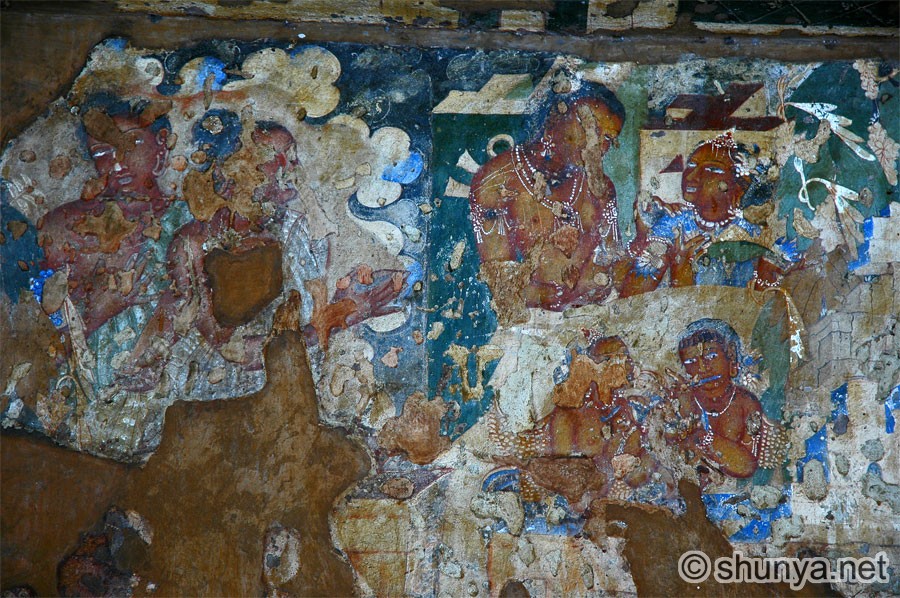
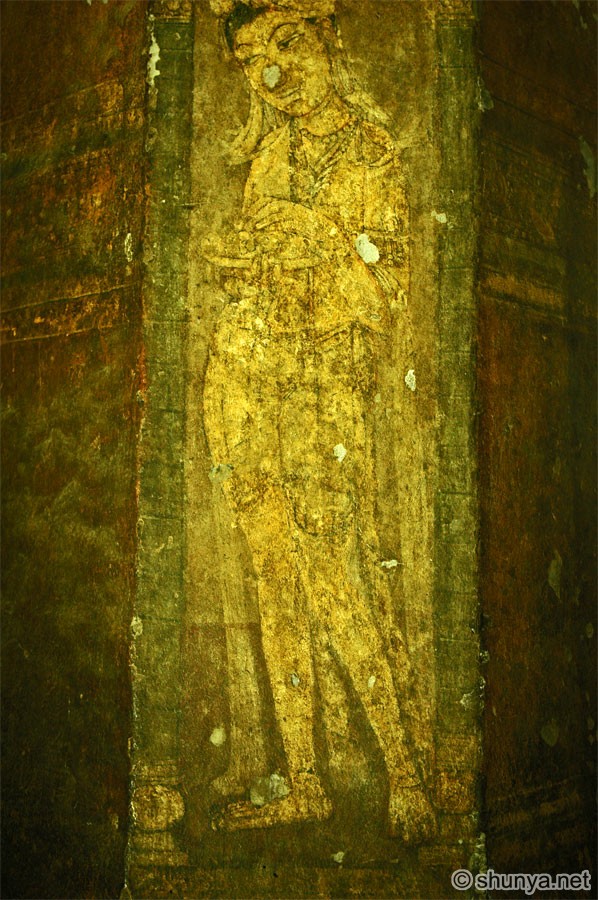
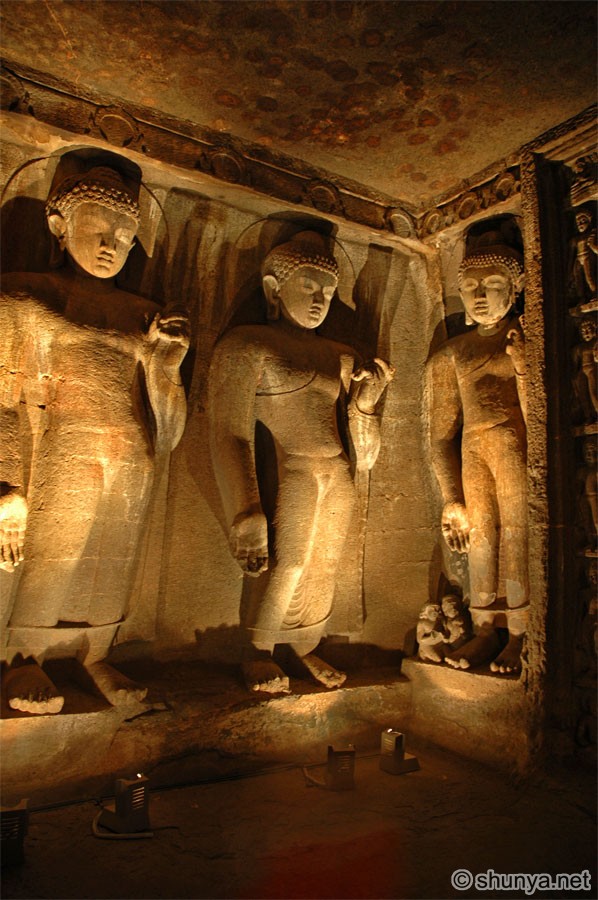
Ajanta, a UNESCO world heritage site, is famous for its Buddhist rock-cut cave temples and monasteries with their extraordinary wall paintings. The temples are hollowed out of granite cliffs on the inner side of a 20-meter ravine in the Wagurna River valley, 105 km northeast of Aurangabad, at a site of great scenic beauty. About 30 caves were excavated between the 1st century BCE and the 7th century CE and are of two types, caityas ("sanctuaries") and viharas ("monasteries"). Although the sculpture, particularly the rich ornamentation of the caitya pillars, is noteworthy, it is the fresco-type paintings that are the chief interest of Ajanta. These paintings depict colorful Buddhist legends and divinities with an exuberance and vitality that is unsurpassed in Indian art.

Ajanta caves

Walkway

Scenes form Jataka tales

Fragment of a painting

Goa the beautiful and romantic palce in India

Goa Places to See

Mormugao Harbour:Panaji Church, Goa Travel It is 34 Kms. from Panaji and 4 Kms. from Vasco-da-Gama. It is one of the fine natural anchorages on the West coast of India and the hub of intense maritime activity.

Panaji: The capital of Goa and headquarters of North Goa District, a small a charming city on the left bank of silvery Mandovi River, with beautiful red-roofed houses, built in Latin style, also boasts of many modern houses, well laid garden, statues and avenue's lined with Gulmohar, Acassia and other trees. Enchantit panorama unfolds from atop Altinho (Hill Top).


Mapusa: It is 13 Kms. from Panaji. The capital of Bardez Taluka, on the national highway, is the cross roads of the network of highways covering whole of Northern Goa.
Weekly fair on Friday, is held at the modem streamlined market, attended by large crowds.


Margao: It is 33 Kms. from Panaji. The Capital of South Goa District in the hinterland of southern Goa in Salcete Taluka is a thriving commercial metropolis Margao, Goa Travel Guidelinked by rail to the rest of India & Mormugao Harbour and by national highways, with Maharashtra and Karnataka.

It has imposing old mansions and modern buildings.


Pilar: It is 11 kms. from Panaji. It has important religious and educational centre of Christian Missionaries. The Church, Seminary and School atop hillock command a magnificent panorama of the country side around and a fine view of Mormugao Harbour & Zuari river.

Ponda: Ponda can be described as the Hindu heart of Goa. It is famous for the five important temples that are situated around the town, and also has the largest mosque in Goa. Most of these temples look relatively new as they have been restored after being destroyed by the Portuguese. That explains why there are no temples around the coast, which was the prime territory of the Portuguese. Ponda is also an important transport link.


Vasco-da-Gama: It is 30 kms. from Panaji. A modem, well laid out city close to Mormugs Harbour, has beautiful and extensive avenues. The air terminus of Goa at Dabolim lies on the outskirts of the city. It is also the railway terminus for passenger service in the South Central Railway.